
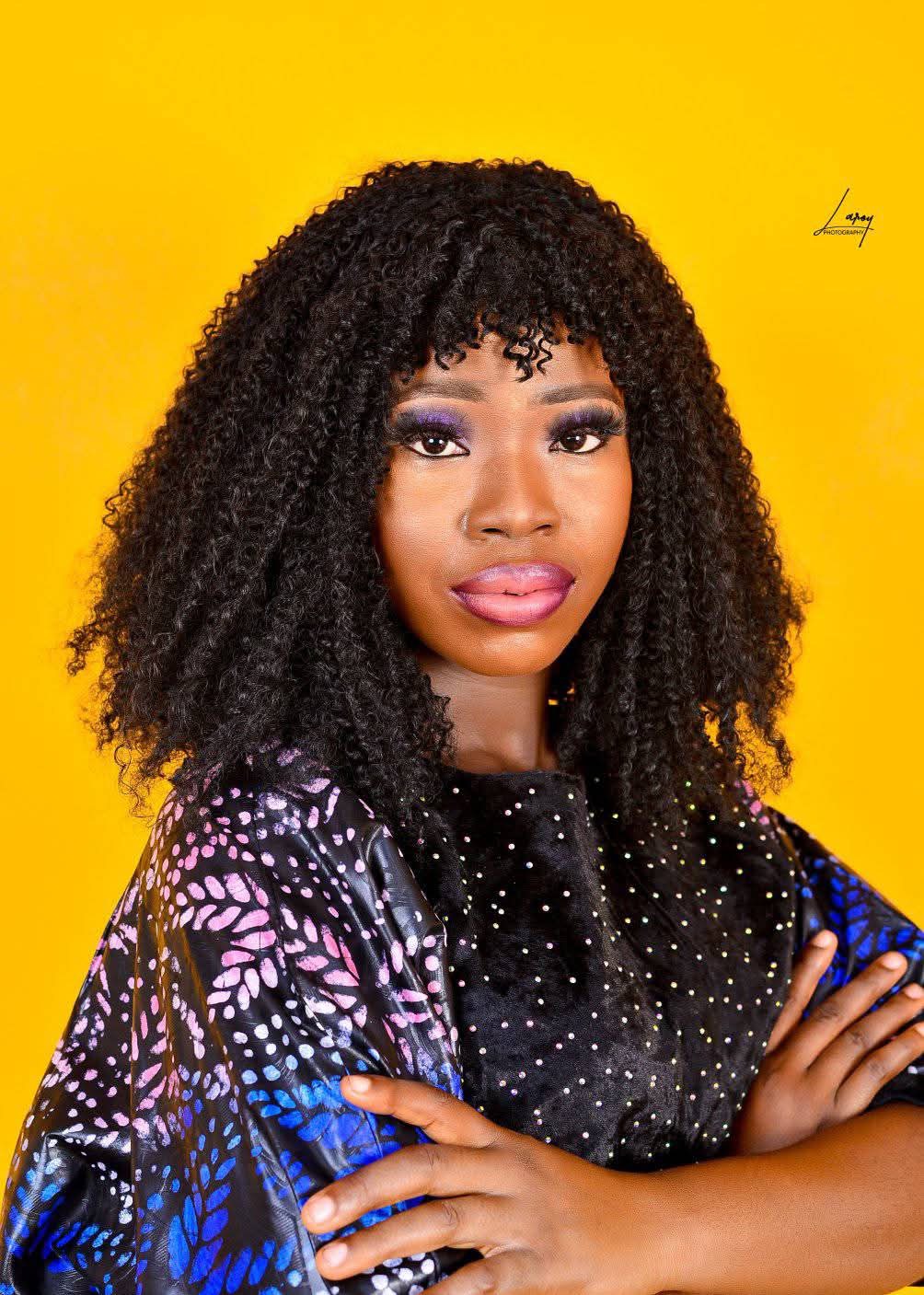
Living with a disability in a society shaped by misconceptions is rarely easy, but for Temitope Rasheedat Akamo, it has been a journey of resilience, self-discovery, and purpose. Born with bowlegs that became more pronounced as she grew, Akamo has faced years of stereotyping and exclusion in school, the workplace, and social spaces. Yet, rather than allowing these experiences to define her, she chose self-acceptance, faith, and determination. Today, she is a professional shoemaker and freelance broadcaster, proudly asserting her place in society while advocating for inclusion, dignity, and equal opportunities for persons with disabilities.
Tell us about yourself
My name is Temitope Rasheedat Akamo. I am an individual who believes strongly in resilience, purpose, and inclusion. I am passionate about personal growth and contributing meaningfully to society, regardless of the challenges I face,
Can you share your journey of living with a disability?
Living with a disability has been a journey marked by growth, adaptation, and self-discovery. It started when I was a child. My legs started curving outward as I grew older, and they got wider and wider to this extent. I have learned to embrace my abilities, advocate for myself, and remain focused on my goals despite societal barriers.
Have you experienced segregation or stereotyping due to your disability? If so, how did it affect you, and how did you handle it?
Yes, I have experienced moments of stereotyping and exclusion. These experiences were emotionally challenging, as they often stemmed from misunderstanding or a lack of awareness. Sometimes I would ask myself: did I commit any crime other than having bowlegs? I experienced this in school, place of work, but I handled them by maintaining self-confidence, I accept who I am, love myself, respect myself, and focus.
What is your main support system?
Firstly, it is God, and also of my family, close friends, and a strong sense of self-belief. Their encouragement, understanding, and emotional support have been instrumental in helping me navigate both personal and professional challenges. Because the love I am getting from my family now, and I didn’t get it from them when I was a child, thank God for today.
Please share a project or achievement you are particularly proud of.
I am proud of the progress I have made toward self-development and independence. Each achievement—whether personal or professional—represents persistence, courage, and the ability to overcome barriers that often limit opportunities for persons with disabilities.
To the Glory of God, I am a professional shoemaker and a freelance broadcaster
I am proud of these two jobs, and nothing will take them from me.
Have you ever felt truly included? If yes, please share that experience.
Yes, I have been in inclusive environments where my contributions were valued based on merit rather than limitations. In such spaces, I felt respected, empowered, and motivated to perform at my best. These experiences highlight the importance of inclusive practices in all sectors.
I always feel happy and renowned when people see my contributions, my opinion, which gives me more strength that I am not alone, and I can do more.
How do you stay motivated and focused on your goals while living with a disability?
I remain motivated by setting realistic goals, celebrating incremental progress, and maintaining a clear sense of purpose. I focus on my strengths and remind myself that challenges do not define my potential or limit my aspirations.
How easy or difficult is it to socialise, particularly with the opposite sex, as a person with a disability?
Social interaction can sometimes be challenging due to societal misconceptions. However, open communication, confidence, and mutual respect help foster meaningful relationships. I believe genuine connections are built on understanding rather than physical or social labels.
In your opinion, how can the government and organisations better support and include persons with disabilities?
Governments and organisations can strengthen inclusion by enforcing accessibility laws, promoting equal employment opportunities, investing in awareness programs, and actively involving persons with disabilities in policy formulation. True inclusion requires empowerment, representation, and sustained commitment.
