

By: Mustapha Lawal
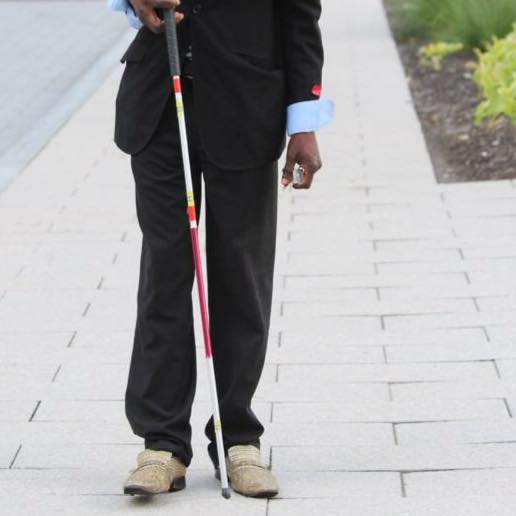
In Badagry, Lagos State, persons with disabilities are once again drawing attention to a familiar but unresolved reality: the gap between public promises of inclusion and the lived experience of exclusion.
The Association of Persons with Disabilities (PWDs), Badagry Headquarters, has expressed deep concern over what it describes as continued neglect of persons with disabilities across the federal constituency, urging elected representatives to move beyond symbolic engagement and demonstrate tangible commitment to inclusion.
Speaking at a press conference held in Badagry, the President of the association, Mr. Sejoro Ekundayo, said repeated efforts to engage political representatives through meetings, correspondence, and advocacy visits have yielded limited results.
According to him, these repeated disappointments have left many persons with disabilities in the constituency feeling ignored in conversations about development, representation, and public welfare.
He was quick to clarify that the association’s concerns were not intended as an attack on elected officials, but rather a call for accountability and urgent attention to the conditions under which persons with disabilities continue to live.
At the heart of the complaint is a broader issue: the persistent exclusion of persons with disabilities from meaningful participation in governance and community development.
Ekundayo emphasized that disability inclusion is not optional goodwill, but a matter of dignity and rights. He stressed that every citizen, regardless of physical or other impairments, deserves access to public services, opportunities, and decision-making structures that shape their communities.
The association outlined a series of ongoing challenges confronting persons with disabilities in Badagry. These include limited access to economic empowerment programmes, poor employment prospects within public institutions, and persistent physical barriers in public infrastructure that continue to restrict mobility and participation.
They also highlighted gaps in access to assistive devices, inadequate educational support for pupils and students with disabilities, and a lack of trained special needs teachers in public schools. Equally concerning, they noted, is the weak representation of persons with disabilities in governance and policy formulation at the local level.
For many in the community, these challenges are not new. They reflect long-standing structural exclusions that have remained largely unaddressed despite repeated advocacy and engagement with authorities.
However, the association did acknowledge some positive steps at the local government level. It commended certain local government chairmen in Badagry for taking modest but visible actions toward inclusion, including the appointment of Special Advisers on disability matters, plans to establish dedicated disability desks, and small-scale empowerment initiatives targeted at persons with disabilities.
Still, they stressed that such efforts remain insufficient when weighed against the scale of need within the community.
The association called for renewed and sustained dialogue with elected representatives, alongside more decisive policy action aimed at improving welfare, expanding access to opportunities, and ensuring that disability inclusion is integrated into local governance structures.
Beyond immediate demands, the press conference underscored a deeper reality familiar across many parts of Nigeria: inclusion for persons with disabilities is still largely dependent on goodwill rather than enforceable systems.
For Badagry’s disability community, the message was clear. Inclusion cannot remain a periodic conversation triggered by advocacy pressure. It must become a consistent governance priority backed by action, resources, and accountability.
As calls grow louder, persons with disabilities in the constituency say they are no longer satisfied with promises alone. What they seek is a society where inclusion is not negotiated, but guaranteed.
