
LAGOS, NIGERIA – FIAP (Fundación para la Internacionalización de las Administraciones Públicas), in collaboration with FactCheckAfrica, has commenced a three-day regional workshop in Lagos to strengthen the capacity of journalists, fact-checkers, and civil society organisations to promote democratic and peaceful elections in Nigeria, with implications for safeguarding the political participation and inclusion of persons with disabilities (PWDs).
As Nigeria prepares for future electoral contests, including the upcoming Osun governorship election and the 2027 general elections, experts say combating misinformation, hate speech, and coordinated online manipulation is critical to ensuring that all citizens, including persons with disabilities, have access to accurate information needed to participate meaningfully in democratic processes.
Speaking at the the Day 1 of the workshop on Monday, the Technical Adviser on Media and Civil Society Organisations, FIAP-EPSG Project, Mr Joseph Osuigwe, said the initiative aims to strengthen journalists’ role in promoting democratic and peaceful elections.
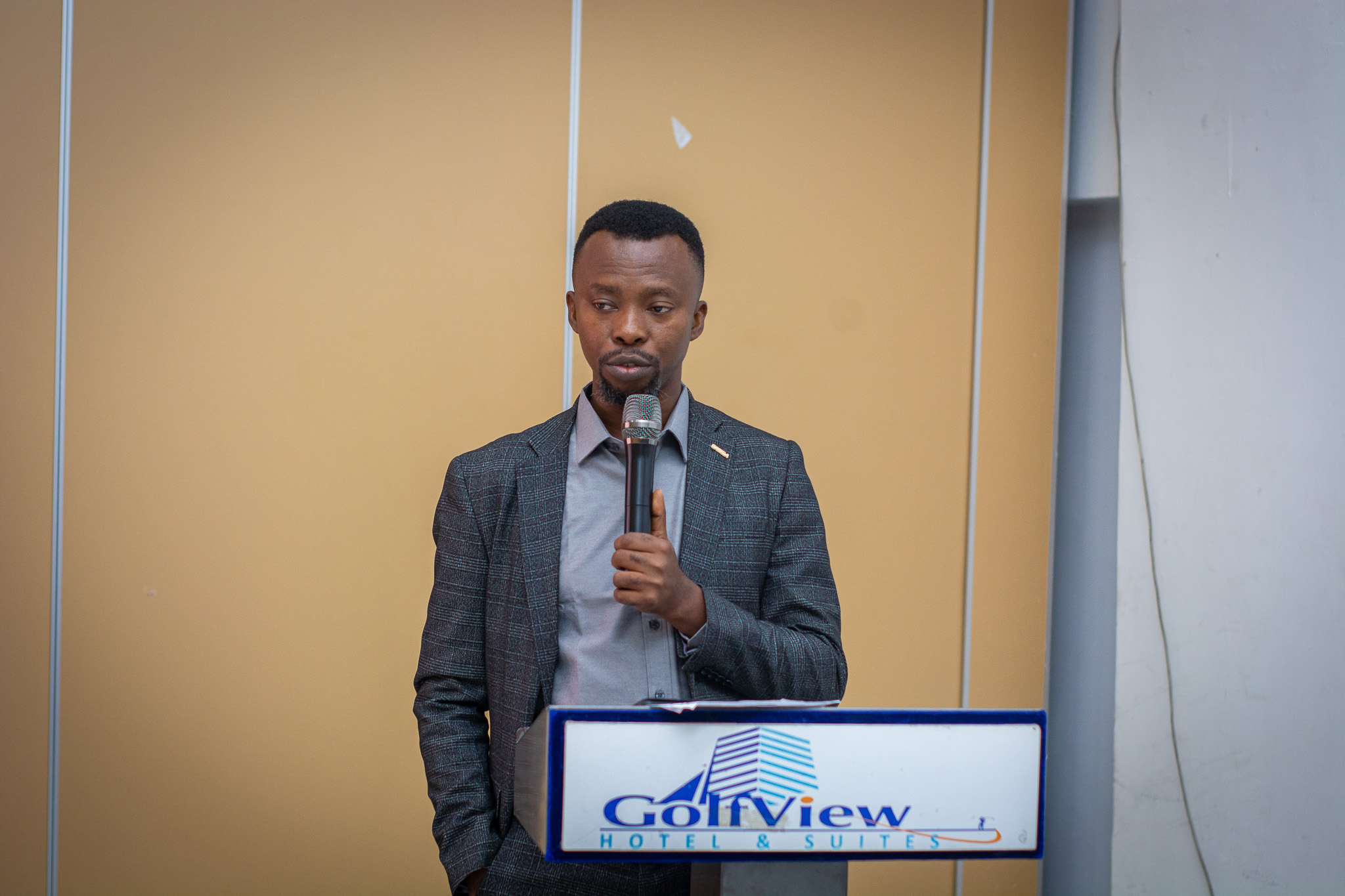
The workshop, titled “Truth at the Ballot: Strengthening Media and Civil Society for Democratic and Peaceful Elections in Nigeria,” is being held from June 22 to 24, 2026, under the European Union Support to ECOWAS in Peace, Security and Governance (EPSG) Project.
The training brought together 35 participants from Nigeria’s South-West and South-East geopolitical zones, including journalists, media practitioners, researchers, civic actors, and civil society representatives working to strengthen democratic accountability, electoral integrity, and public access to credible information.
For persons with disabilities, access to verified and inclusive information remains essential for informed electoral participation. Civil society organisations play a key role in ensuring that electoral information reaches marginalised communities, challenging disinformation that may discourage participation, and advocating for accessible and inclusive democratic processes.
According to the organisers, the workshop seeks to strengthen participants’ ability to identify and respond to electoral misinformation, coordinated online manipulation, hate speech, and emerging risks associated with artificial intelligence.
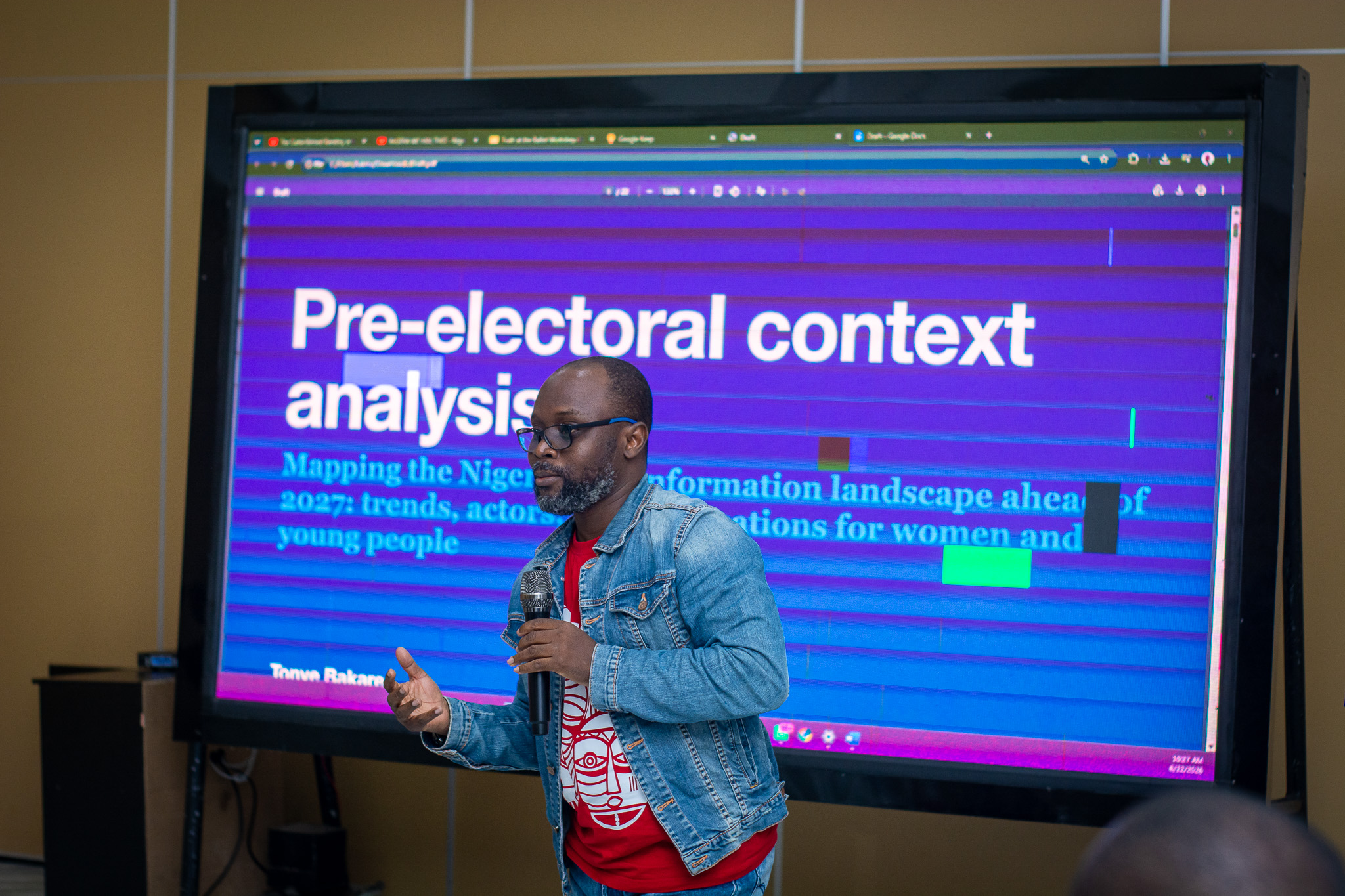
Among the resource persons at the workshop was Mr. Tonye Bakare, AFP Nigeria Correspondent (Lagos), who facilitated sessions on Pre-Electoral Context Analysis Mapping and The Nigerian Disinformation Landscape Ahead of 2027: Trends, Actors and Implications for Women and Young People. He provided participants with insights into the evolving information ecosystem, highlighting the actors driving misinformation and disinformation campaigns, their methods of operation, and the potential impact on democratic participation, particularly among women and young people.
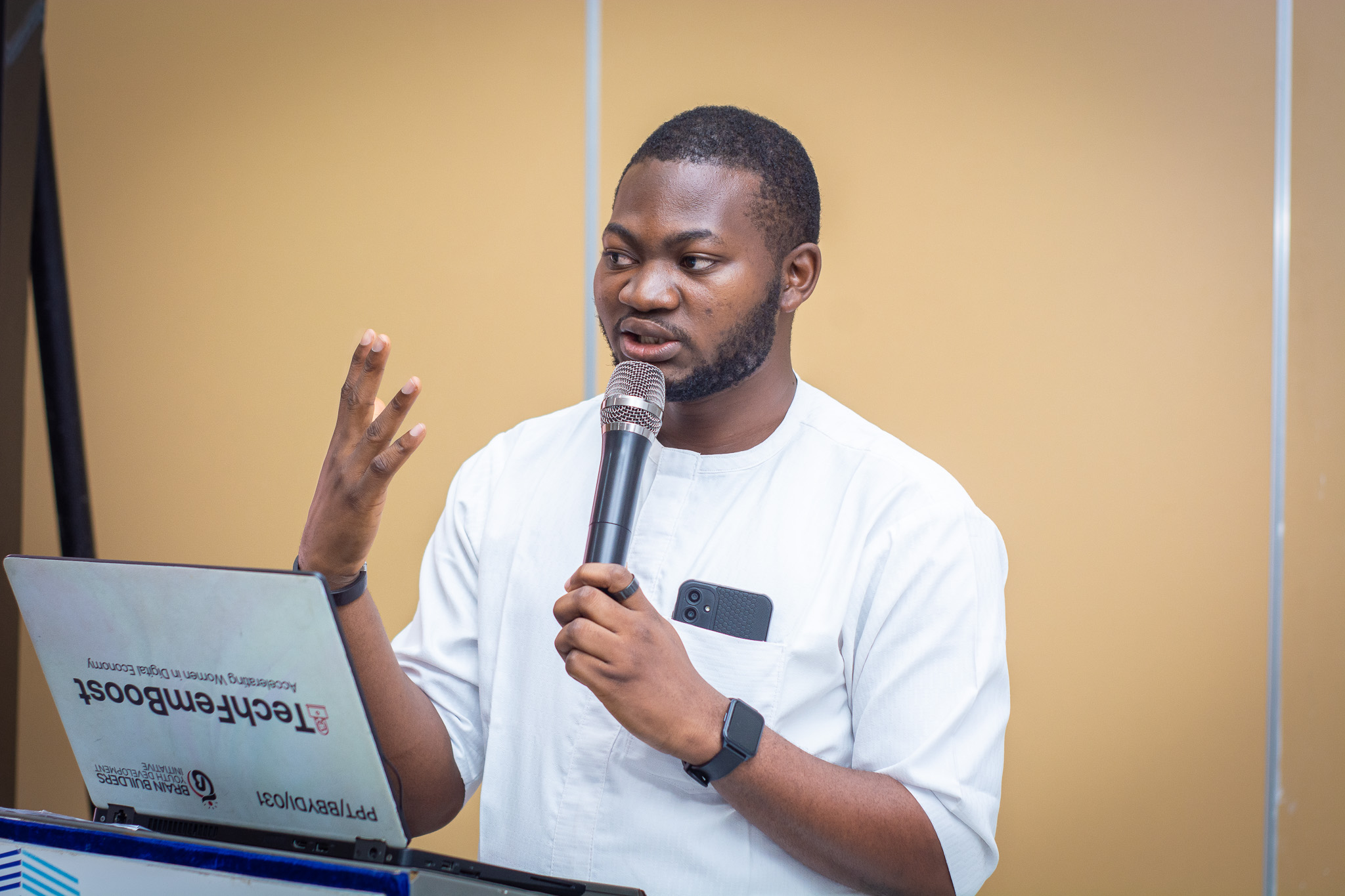
Another session was led by Mr. Mustapha Lawal , who delivered a presentation on Verification and Fact-Checking: Practical Tools and Workflows, exposing participants to reverse image search techniques, Open Source Intelligence (OSINT) tools, source authentication methods, and the use of artificial intelligence-assisted verification in analysing electoral content.
To reinforce the lessons, participants engaged in a practical Verification Lab, where they worked in small groups to analyse real electoral information case studies using verification workflows, reverse image search, source authentication processes, and OSINT tools. The exercise provided hands-on experience in identifying manipulated content, verifying claims, and assessing the credibility of online information.
Activities on the second day of the workshop featured sessions facilitated by Mr. Lekan Otunfodurin, Executive Director of the Media Career Development Network, who led discussions on Hate Speech and Narratives Analysis: Identifying, De-escalating and Countering Polarising Electoral Content. Drawing on practical frameworks, case studies, and newsroom protocols, Otunfodurin examined the drivers of hate speech and divisive narratives, why such narratives persist in political discourse, and the importance of addressing harmful framing to prevent electoral tensions and promote peaceful democratic engagement.
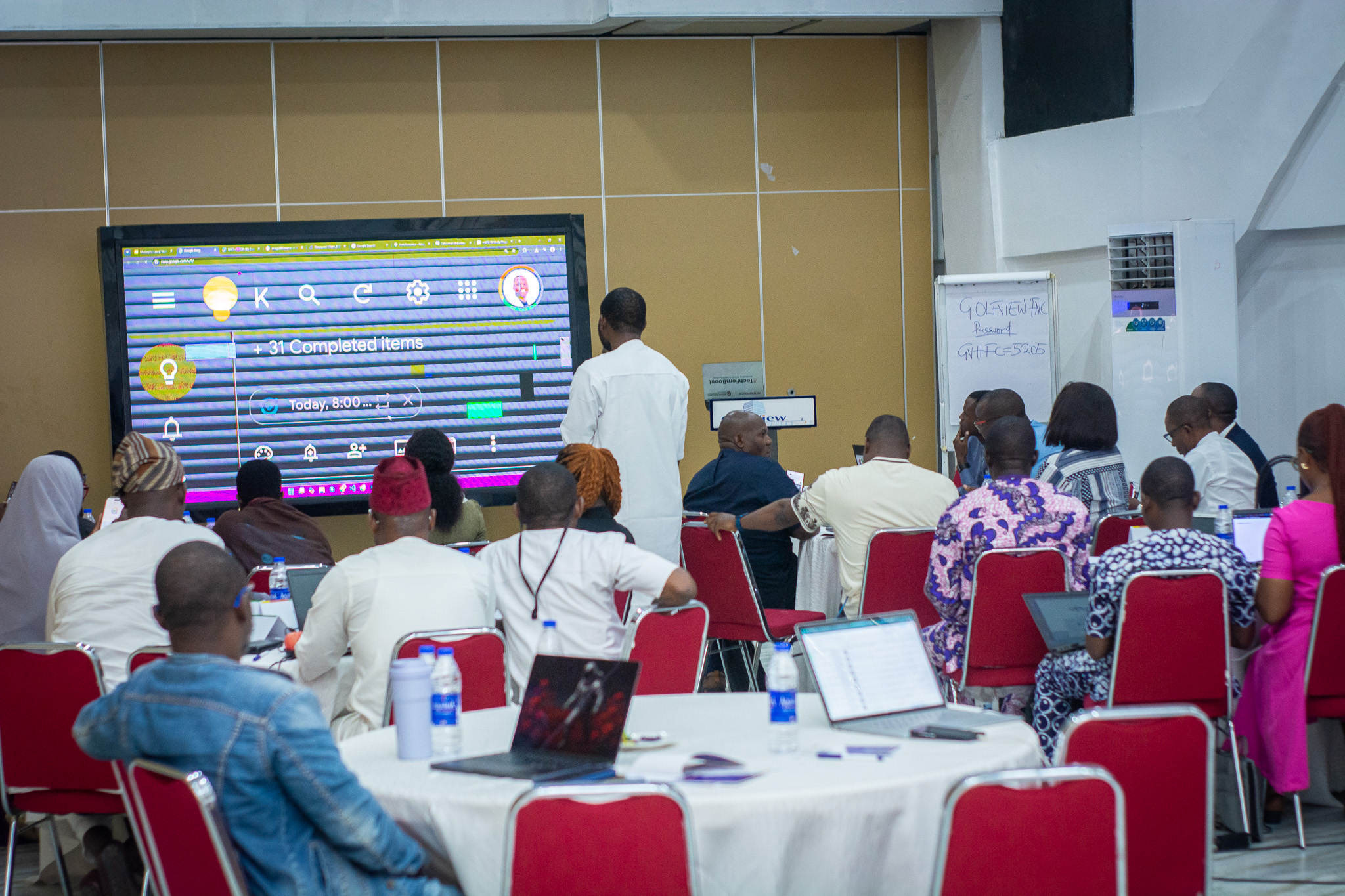
Participants also benefited from a session facilitated by Hannah Ajakaiye, Founder of FactsMatterNG, on Gender-Sensitive and Youth-Inclusive Reporting. The session focused on strengthening participants’ capacity to produce balanced and inclusive reporting that amplifies underrepresented voices, promotes equitable representation, and ensures that women, young people, and other marginalised groups are fairly represented in electoral and governance-related coverage.
For persons with disabilities, the emphasis on inclusive reporting is particularly significant, as it encourages media practitioners and civil society actors to adopt approaches that ensure disability issues and the perspectives of persons with disabilities are not overlooked in electoral discourse and democratic participation.
Participants are receiving practical training on fact-checking, open-source intelligence (OSINT), digital investigations, investigative journalism, gender-sensitive reporting, youth-inclusive communication, and journalist safety during election periods.
Speaking on the importance of the programme, Founder of FactCheckAfrica, Abideen Olasupo, said the growing sophistication of misinformation campaigns and online influence operations requires stronger collaboration among journalists, fact-checkers, and civil society organisations.
He noted that building resilient information ecosystems remains essential for promoting peaceful and credible elections.
As Nigeria moves closer to key electoral milestones, including the Ekiti and Osun governorship elections and the 2027 general elections, strengthening the capacity of journalists and civil society actors to identify, verify, and counter harmful information has become more important than ever, Olasupo said.
The Lagos workshop follows an earlier regional training in Abuja for participants from Northern Nigeria and forms part of a broader programme under the EPSG Project. Organisers said participating organisations will also receive mentoring and advisory support to help implement newsroom reforms, verification initiatives, civic education campaigns, and collaborative interventions aimed at strengthening information integrity.
For disability advocates, such initiatives contribute to a healthier information environment where persons with disabilities can access reliable electoral information, engage in civic discourse, and participate more effectively in democratic processes without being disproportionately affected by misinformation and exclusion.
