
Inclusion-focused organisations and voices representing persons with disabilities were among stakeholders engaging with young digital creators at the “#CheckBeforeYouPost: Gen Z Voices Against Disinformation” exhibition in Abuja, bringing an inclusion perspective to efforts to tackle misinformation, disinformation and harmful online narratives ahead of Nigeria’s 2027 general elections.
The two-day exhibition, held from 6–7 August 2026 at Reiz Continental Hotel, brought together young social media influencers, content creators, digital communicators, civil society actors, journalists, development partners and other stakeholders to showcase youth-led approaches to promoting information integrity and peaceful democratic participation.
The event brought together young social media influencers, content creators, digital communicators, civic actors, civil society organisations, journalists and development partners to showcase youth-led solutions to misinformation, disinformation and harmful online narratives.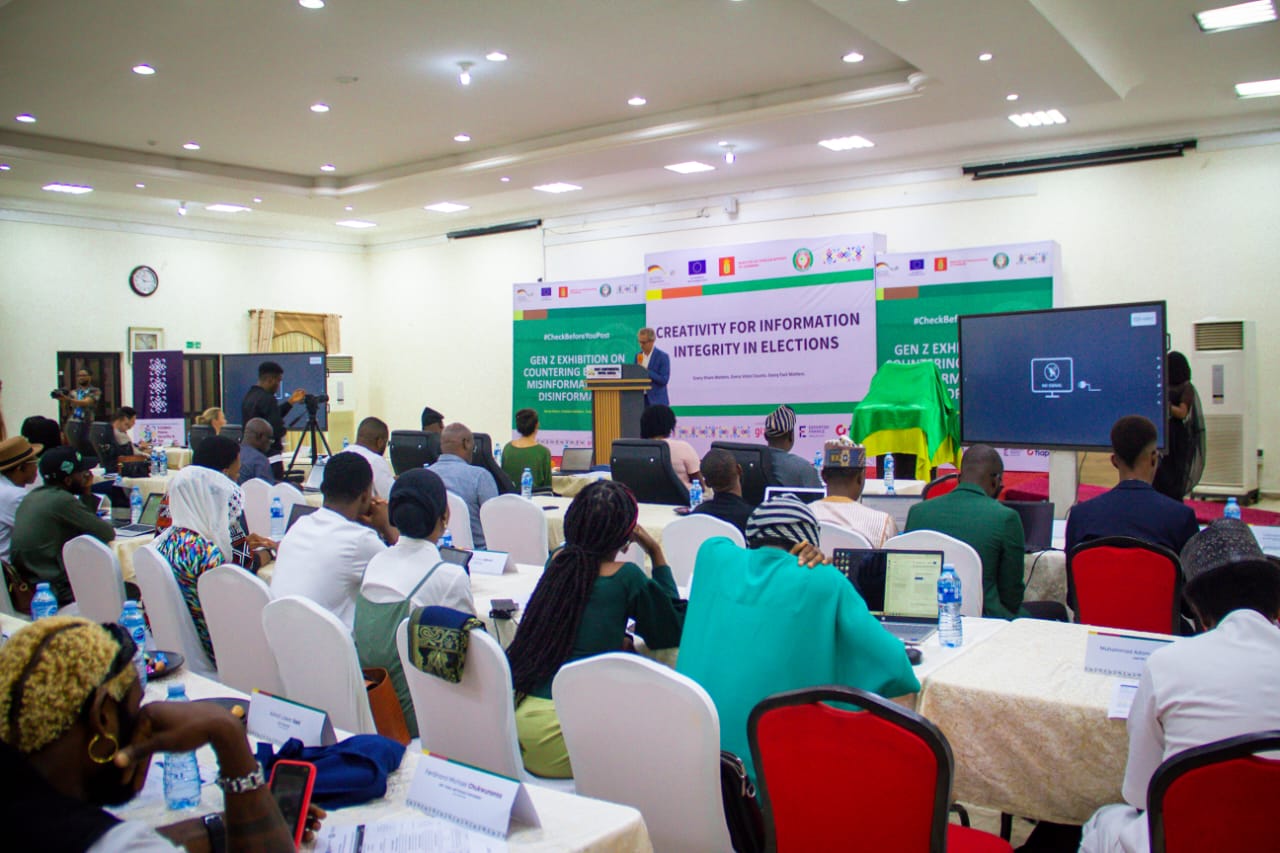
Among the young people participating were persons with disabilities, whose presence underscored the need for disability-inclusive approaches to civic participation and information integrity.
For young persons with disabilities, access to reliable information is particularly important in an increasingly digital society where social media platforms have become major sources of news, political information and public debate. Their participation also highlights the fact that persons with disabilities are not merely recipients of information or beneficiaries of civic programmes, but active contributors to conversations that shape society.
The exhibition brought together participants from three #CheckBeforeYouPost Social Media Influencer Training Camps held in Lagos, Enugu and Kano. The camps equipped young creators with skills in electoral integrity, misinformation and disinformation, responsible digital engagement, fact-checking, ethical content creation and peace-oriented communication.
The first day of the Abuja programme provided an opportunity for participants from the different cohorts to exchange experiences, reflect on their training and build networks for continued collaboration.
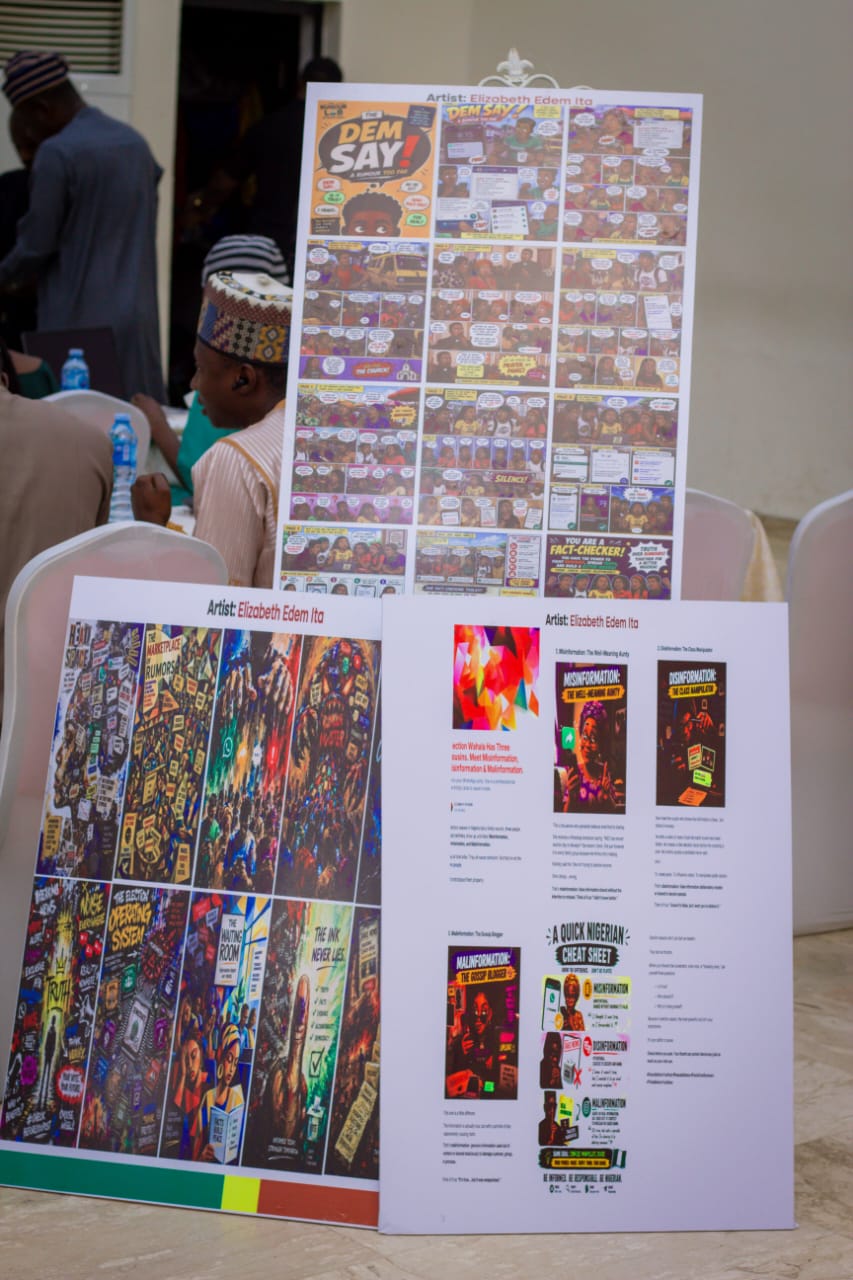
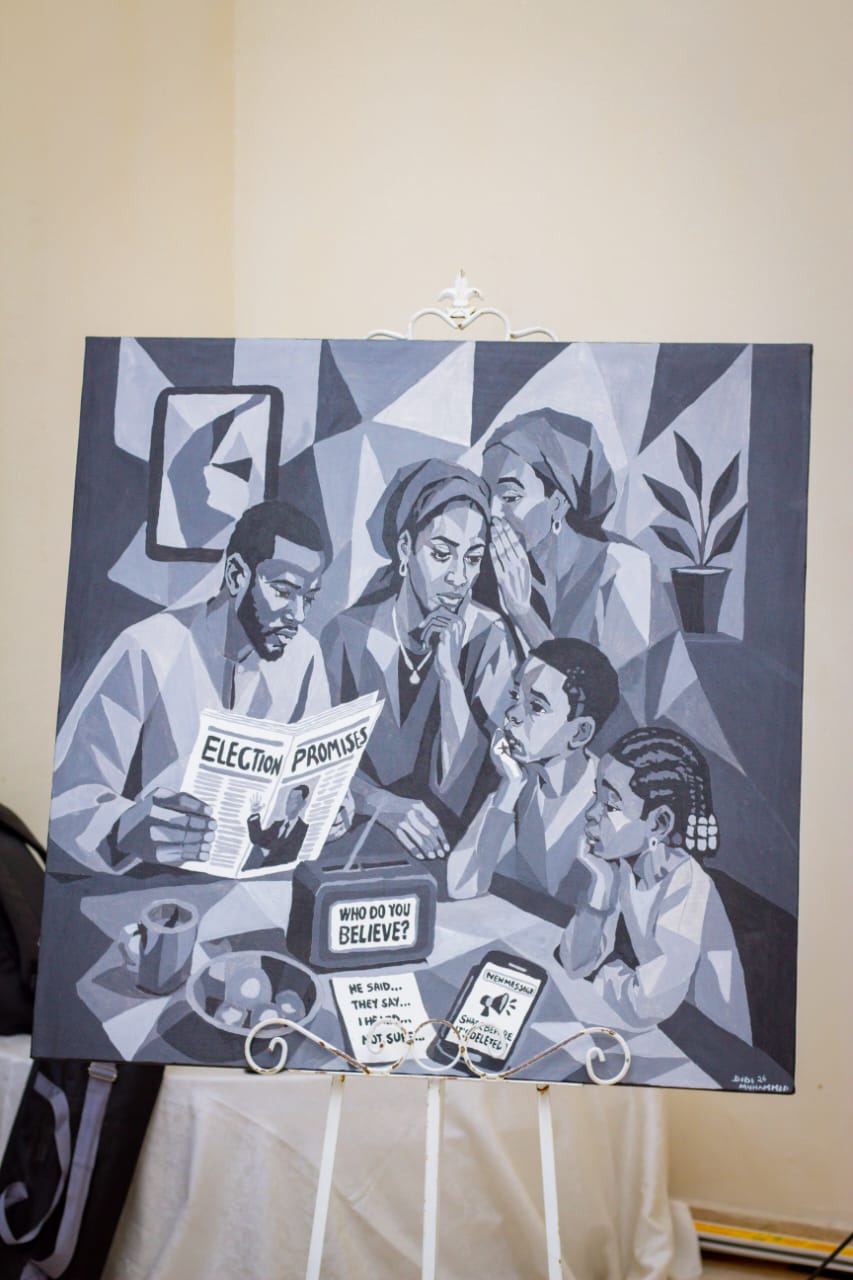
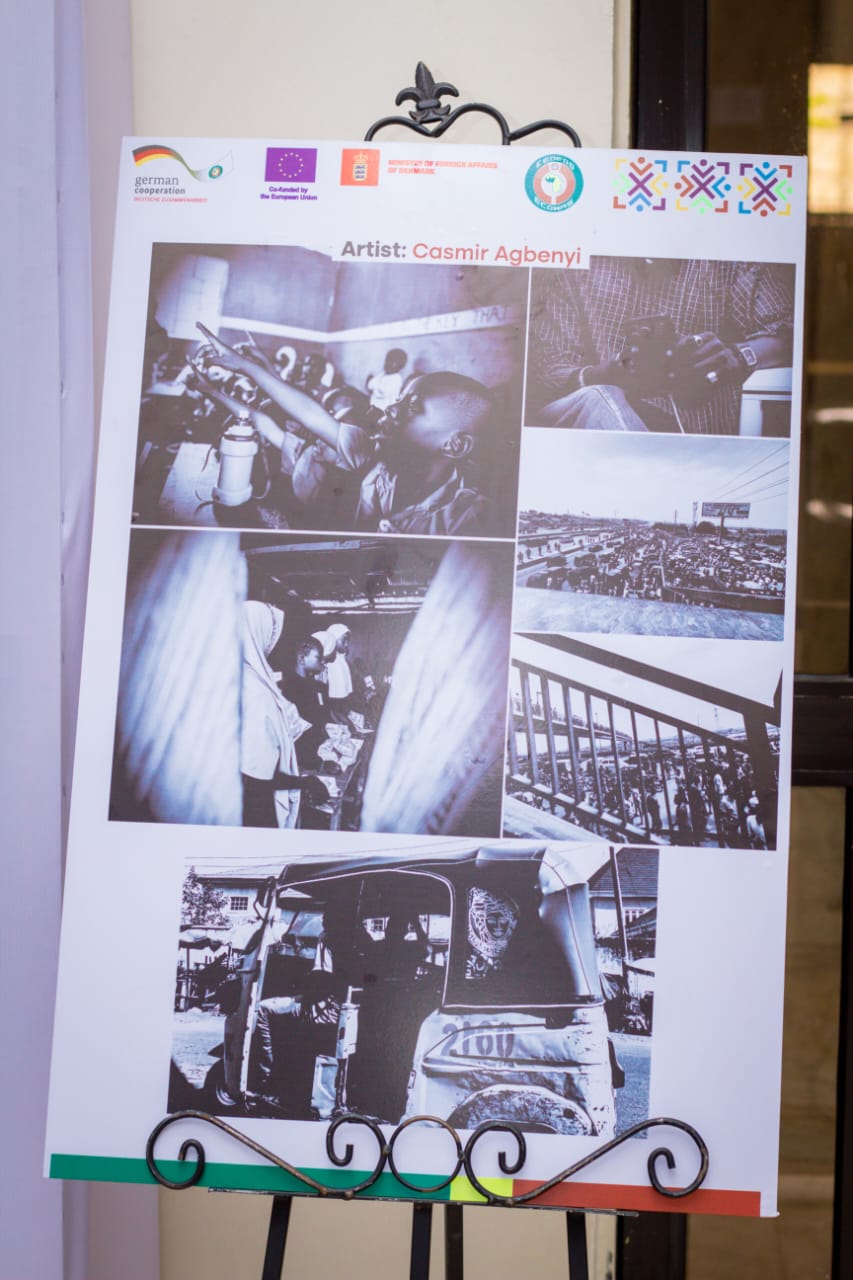
On the second day, participants showcased creative works developed through the programme, including campaign graphics, short-form videos, illustrations, photography, spoken word performances, songs, short films, digital content and pilot micro-campaigns aimed at encouraging responsible information sharing and challenging harmful narratives.
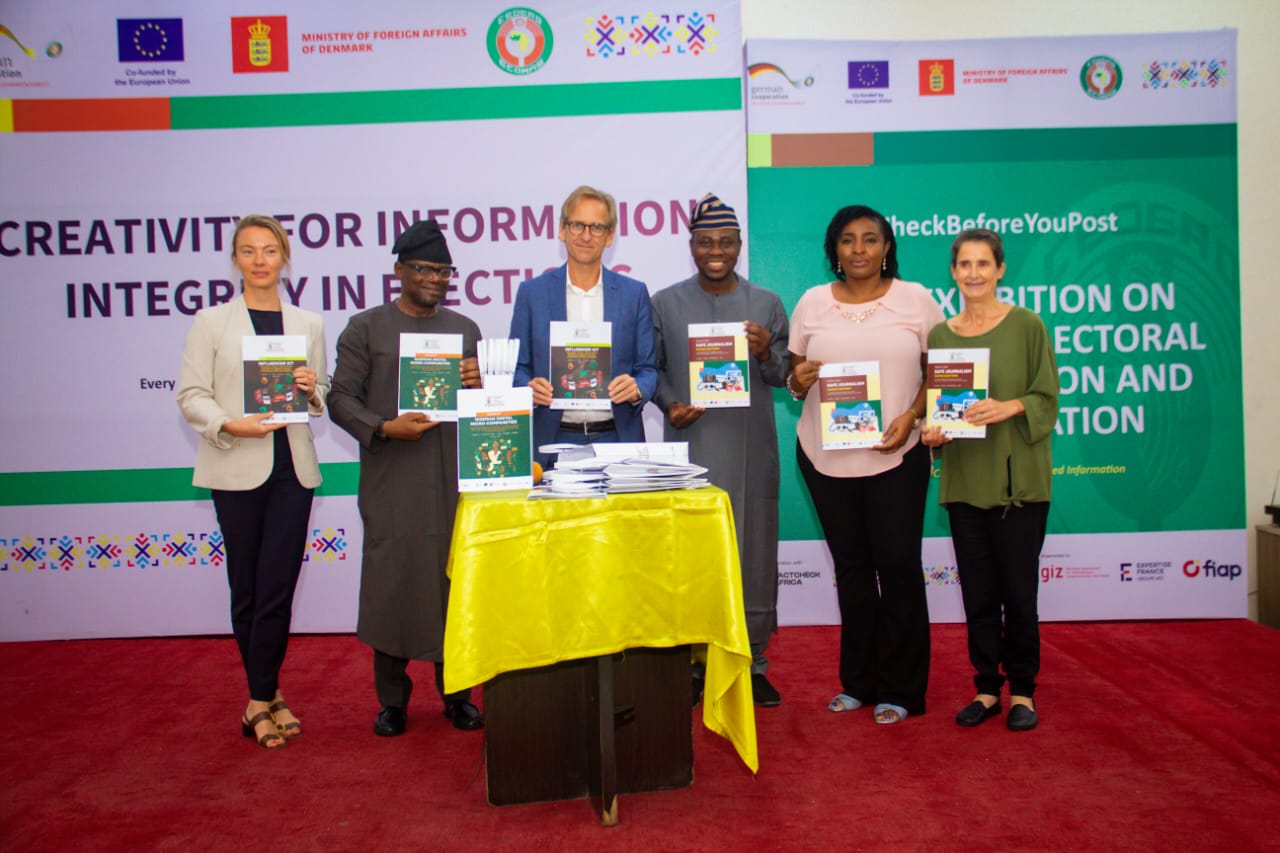
The programme also unveiled practical resources, including the Responsible Influencer Kit, the pre-electoral Pilot Micro-Campaign, Map of Nigerian Digital Micro-Communities, Charter of Ten Principles for Social Media Users Committed to Integrity of Political Information and Peace, and the Safe Journalism Toolkit.
A youth roundtable further examined the future of the #CheckBeforeYouPost movement and the role of young digital creators in promoting information integrity and peaceful democratic participation ahead of the 2027 elections.
From a disability inclusion perspective, the participation of young persons with disabilities also raises important questions about whether information campaigns, digital platforms and civic engagement opportunities are accessible to everyone.
As Nigeria approaches another electoral cycle, ensuring that persons with disabilities can access, understand, verify and share accurate political information is essential to inclusive democratic participation. Accessible communication, inclusive digital content and meaningful representation of persons with disabilities in civic initiatives can help ensure that no group is left behind in the fight against disinformation.
Speaking on the significance of the initiative, Abideen Olasupo, Founder of FactCheckAfrica, said young people are increasingly influential in shaping public conversations.
“Young people are not just audiences in today’s information ecosystem; they are creators, distributors and influential voices shaping public conversations every day.”
His comments also speak to the growing role young persons with disabilities can play as creators, communicators and advocates within Nigeria’s digital information ecosystem.
The Abuja exhibition marked a milestone in the broader #CheckBeforeYouPost intervention by bringing together experiences and outputs from the Lagos, Enugu and Kano cohorts and creating space for young people to move from individual learning towards collective action.
For young persons with disabilities, continued participation in initiatives of this nature can create opportunities to challenge disability-related misinformation, stereotypes and harmful narratives online while promoting greater awareness of disability rights and inclusion.
As participants return to their communities and online platforms, the message of #CheckBeforeYouPost is particularly relevant: information should be verified before it is shared, and civic conversations should create space for everyone—including persons with disabilities—to participate.
The exhibition was organised by FIAP in collaboration with FactCheckAfrica under the EU Support to ECOWAS in Peace, Security and Governance (EPSG) Project. FIAP is co-implementing Component 3 of the project in West Africa with GIZ, focusing on strengthening electoral processes through the prevention of electoral violence and countering misinformation, disinformation and hate speech.
