

The Independent National Electoral Commission (INEC) and the European Union have called on the Nigeria Police Force to strengthen security measures for persons with disabilities ahead of the 2027 general elections, warning that intimidation, violence and discriminatory practices could undermine their constitutional right to vote.
The call comes amid concerns that Nigeria’s preparations for the elections must go beyond electoral reforms and promises of inclusion to address the physical, institutional and security barriers that continue to limit the participation of persons with disabilities in the democratic process.
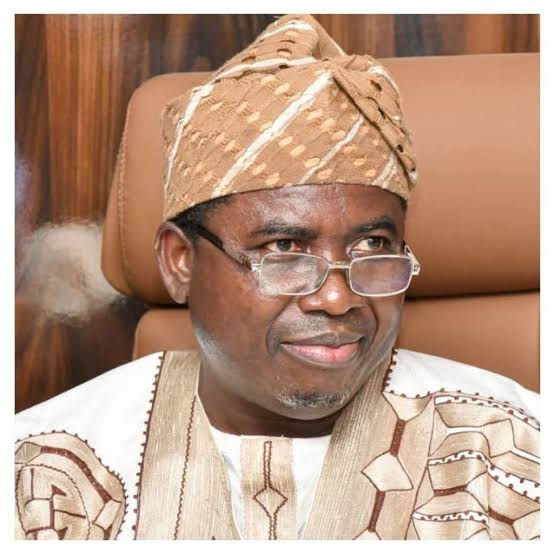
INEC Chairman, Joash Amupitan, made the appeal on Friday in Abuja during an engagement organised by TAF Africa for police officers on disability-inclusive election security. He stressed that the credibility of the 2027 elections would depend not only on the conduct of the polls but also on whether every eligible Nigerian could participate freely, safely and without discrimination.
An election cannot be considered inclusive if persons with disabilities or other vulnerability groups face intimidation, insecurity, or other barriers to exercising their rights, Amupitan said.
His remarks reinforce concerns highlighted in PWD Spotlight’s earlier analysis, 2027 Election, INEC and Persons with Disabilities, which examined the gap between INEC’s commitments to electoral inclusion and the realities facing Nigerians with disabilities.
The analysis reported that, out of approximately 103 million registered voters, only 232,658 were recorded as persons with disabilities, representing about 0.23 per cent of the voter register. Against an estimated population of 30 million Nigerians with disabilities, the figure raises questions about voter registration, electoral awareness and the extent to which the electoral system accommodates their participation.
Beyond registration, the analysis also highlighted the limited representation of persons with disabilities among candidates contesting the 2027 elections, suggesting that exclusion extends beyond access to polling units to the broader question of political representation.
The latest appeal by electoral and international stakeholders therefore places security at the centre of the inclusion debate. Even where eligible voters are registered and polling materials are available, threats, inaccessible polling environments and inadequate police responses can discourage participation or prevent voters from exercising their rights.
Amupitan urged police officers to understand the different needs of persons with physical, hearing and visual impairments and to respond promptly to incidents involving voters with disabilities. He said officers should receive appropriate training to communicate effectively, including through visual communication for people with hearing impairments and verbal guidance for those with visual impairments.
He also emphasised that security planning must cover the entire electoral cycle, from voter registration and political campaigns to rallies, election-day voting and the post-election period.
INEC’s electoral regulations provide for priority access, appropriate assistance and assistive voting materials for persons with disabilities. However, Amupitan cautioned that assistance must not compromise voters’ privacy, independence or freedom of choice.
Every eligible citizen has a right to vote. That right must be accessible to every Nigerian citizen, regardless of disability or displacement, he said.
The Head of the European Union Delegation to Nigeria, Gautier Mignot, similarly urged the police to incorporate disability-inclusive guidelines into their election security operations.
Mignot identified inaccessible electoral information, unsafe polling environments and inadequate security responses as persistent barriers to the participation of persons with disabilities. He called for disability inclusion to be reflected in security plans, personnel training, operational briefings and emergency response arrangements ahead of the 2027 elections.
Preparation for the 2027 general election should ensure that disability inclusion is reflected in relevant security plans, personnel training, operational briefings and emergency response arrangements, he said.
While these commitments signal growing recognition of the security challenges facing voters with disabilities, their impact will depend on implementation. Police officers must be equipped not only to prevent electoral violence generally but also to recognise and respond to disability-related intimidation, harassment, obstruction and discriminatory treatment.
INEC also faces the complementary responsibility of ensuring that accessible polling arrangements and assistive materials are available where needed. As highlighted in PWD Spotlight’s earlier analysis, provisions such as Braille ballot guides, magnifying glasses, illustrated voting instructions and accessible polling infrastructure are essential, but their effectiveness depends on adequate deployment, public awareness and the preparedness of election personnel.
