

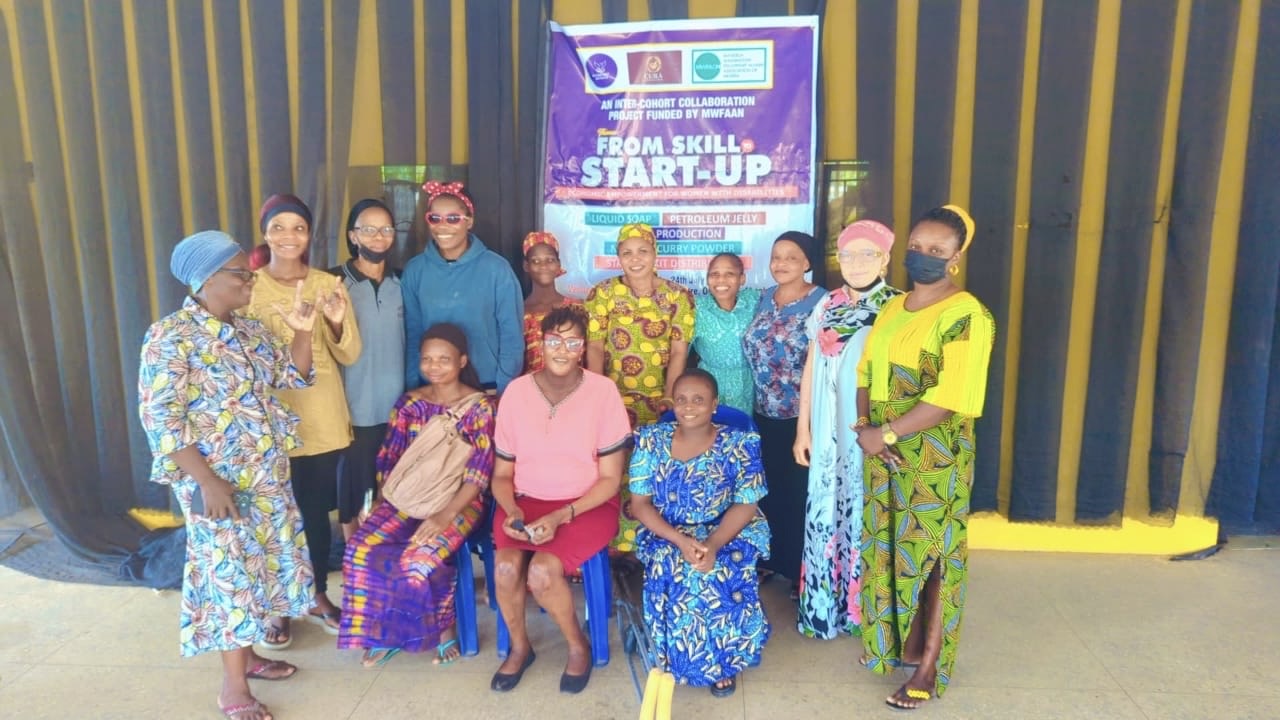
The Beyond Limit Initiative for Women and Girls with Disabilities has commenced a three-day economic empowerment programme aimed at equipping women with disabilities with practical entrepreneurial skills and start-up support to achieve financial independence.
The programme, titled “From Skill to Start-up: Economic Empowerment for Women with Disabilities,” is being implemented in partnership with CURA Heritage Foods Limited and funded through the Mandela Washington Fellowship Alumni Association of Nigeria (MWFAAN) Inter-Cohort Collaboration Grant. The training is taking place at the Women Development Centre, Oke-Ilewo, Abeokuta.
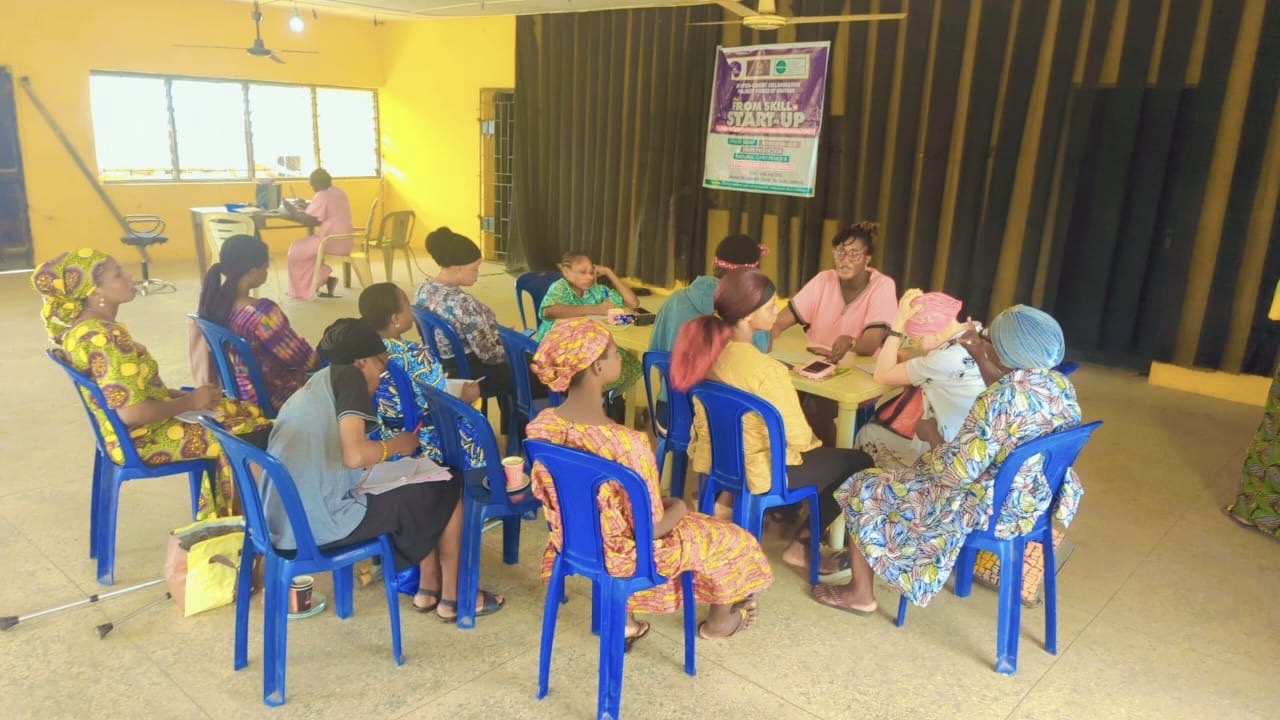
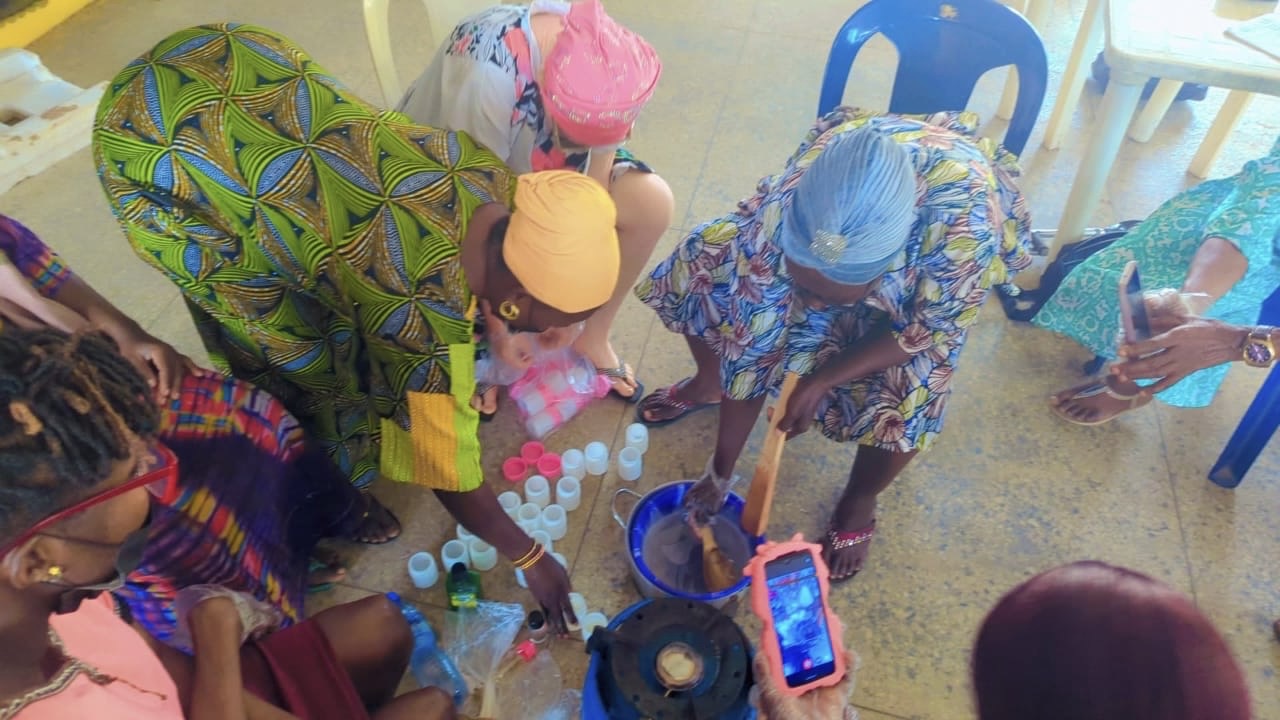
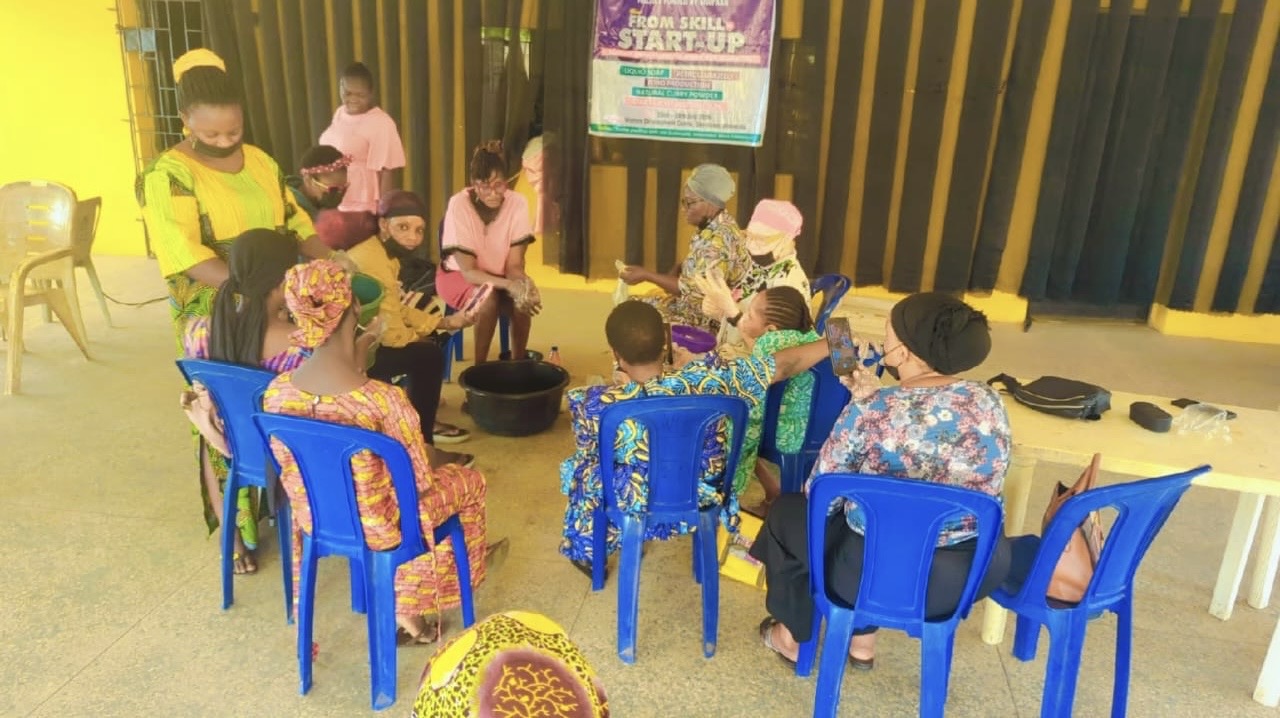
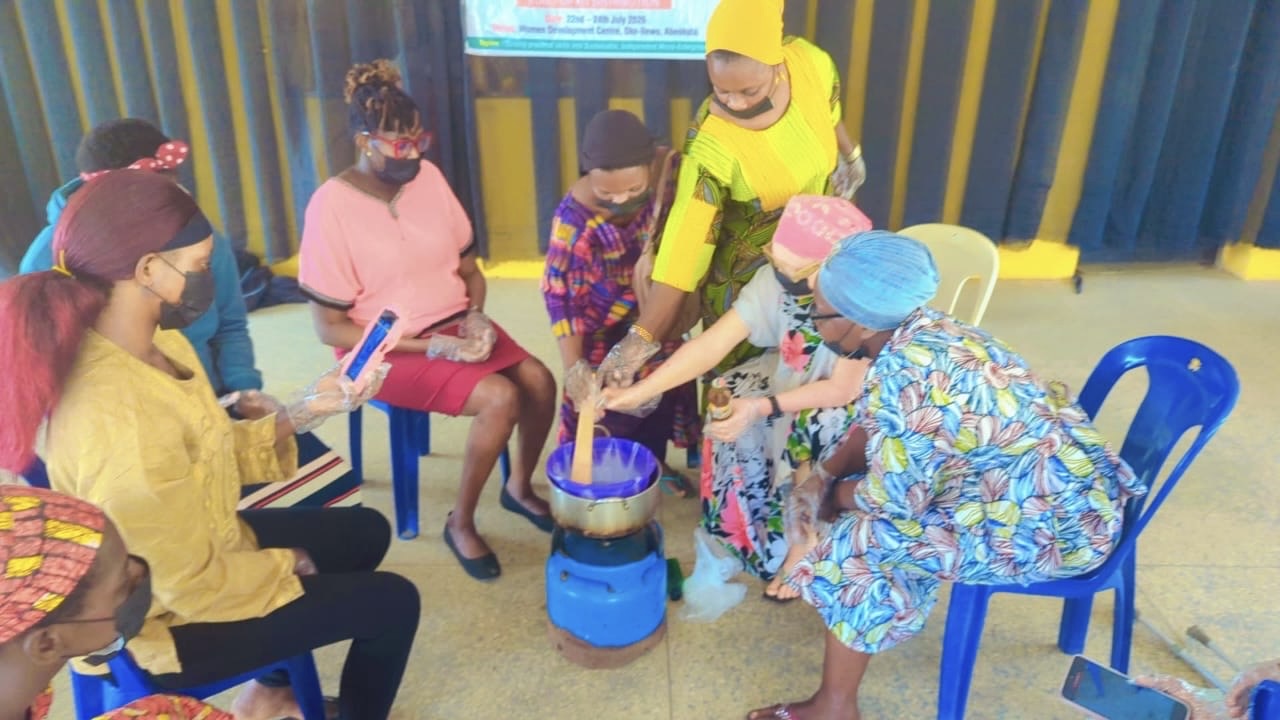
Ten women with disabilities are participating in the intensive hands-on training, where they are learning the production, packaging, and marketing of commercially viable products, including liquid soap, petroleum jelly, fruity zobo drink, and natural curry powder. The programme will culminate in an exhibition of participants’ products and the presentation of start-up kits to enable them to establish their own businesses.
Speaking at the opening ceremony, the Executive Director of the Beyond Limit Initiative for Women and Girls with Disabilities and lead facilitator, Oluwatomisin Adeyefa, said the initiative was designed to move beyond charity by creating sustainable economic opportunities for women with disabilities.
“This initiative represents a shift from disability charity to genuine economic inclusion. It is more than a skills acquisition programme—it is a demonstration that financial independence is possible for every woman with a disability. We want our participants to leave here not only with practical skills but also with the confidence and resources to become successful entrepreneurs,” Adeyefa said.
She added that empowering women with disabilities economically contributes to breaking societal stereotypes while promoting dignity, independence, and inclusive development.
In her welcome address, the founder of CURA Heritage Foods Limited and co-facilitator, Omolara Daniel, encouraged participants to embrace diligence and resilience, urging them to transform the skills acquired during the programme into sustainable livelihoods.
Daniel also inspired the participants by pointing to the facilitators themselves as examples of determination, noting that both are visually impaired women who have built successful careers despite societal barriers.
The first day of the programme focused on practical sessions covering the formulation and production of liquid soap and natural petroleum jelly. Participants received detailed instruction on measurements, processing techniques, quality control, and product formulation to commercial standards.
Beyond technical training, the organisers also facilitated an interactive mindset development session centred on overcoming double discrimination, rebuilding self-esteem, and strengthening personal confidence. Participants shared personal experiences in an atmosphere described as supportive, relaxed, and empowering, reinforcing the programme’s emphasis on both economic and psychosocial empowerment.
Organisers described the opening day as a major success, citing the enthusiasm, active participation, and determination demonstrated by the trainees. They noted that the project seeks not only to equip women with marketable skills but also to build self-belief and create pathways to enterprise ownership.
The three-day programme continues with training in fruity zobo drink processing and natural curry powder production before concluding with a product exhibition and the distribution of start-up kits to participants, enabling them to launch their own businesses.
