

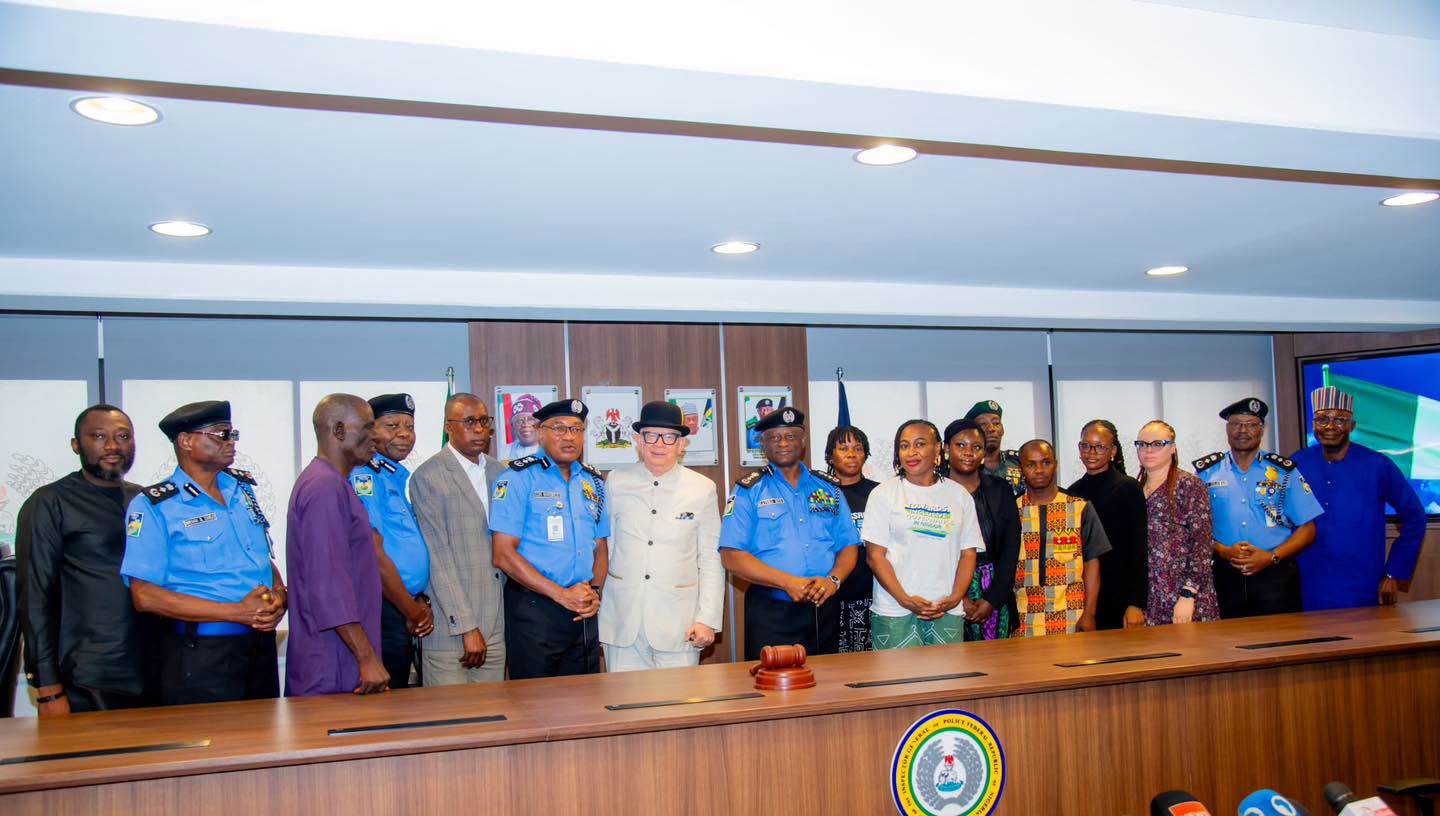
The disability community in Nigeria has recorded what advocates describe as a milestone in the country’s policing history following an engagement with the Inspector-General of Police, IGP Olatunji Rilwan Disu, psc(+), NPM.
The meeting brought together a delegation led by The Albino Foundation (TAF Africa), the Nigerian Women Trust Fund (NWTF) and representatives of the disability community to advocate for a more inclusive approach to policing, security and public safety in Nigeria.
The engagement was described by the delegation as the first reported direct engagement between persons with disabilities and an Inspector-General of Police, creating a significant opportunity for the disability community to place its concerns directly before the leadership of the Nigeria Police Force.
Disability Inclusion Takes Centre Stage
At the meeting, the delegation called for a policing system that adequately responds to the security needs and rights of persons with disabilities, women and internally displaced persons (IDPs).
Key issues raised included inclusive security for persons with disabilities, women and IDPs; inclusive election security; sustained dialogue between the police and disability stakeholders; and stronger institutional mechanisms for disability inclusion within the Nigeria Police Force.
One of the major proposals was the establishment of National Persons with Disabilities Desk Officers across the Nigeria Police Force. Such desk officers, the delegation noted, would help strengthen the Force’s ability to respond appropriately to disability-related concerns and improve communication between the police and persons with disabilities.
The delegation also advocated greater collaboration with the Force Public Relations Officer to ensure that police media appearances, public information and communication platforms are accessible to persons with different disabilities.
Call for Accessible Police Services
The Chief Executive Officer of TAF Africa further called for the Nigeria Police Force website to be made accessible to persons with disabilities.
The call reflects a broader concern that access to policing services should not depend on a person’s ability to see, hear, read, move or communicate in a particular way.
An accessible police website, the delegation stressed, would enable persons with disabilities to independently obtain important information and access police services online.
For the disability community, digital accessibility is increasingly becoming an essential part of equal access to public institutions and services.
Women’s Inclusion Also Highlighted
Gender inclusion formed another important part of the engagement. The delegation advocated greater opportunities for the inclusive employment of women within the Nigeria Police Force, emphasising the need for a police institution that reflects the diversity of the population it serves.
The Chief Executive Officer of the Nigerian Women Trust Fund also presented the National Gender in Nigeria Report 2026, an in-depth report examining gender dynamics and issues shaping the country.
IGP Signals Openness to Further Engagement
According to the delegation, IGP Disu demonstrated openness to the issues presented and highlighted initiatives already underway to make the Nigeria Police Force more inclusive.
The Inspector-General also welcomed further engagement with disability stakeholders to identify areas where additional improvements may be necessary.
During the meeting, IGP Disu shared experiences from his encounters with persons with disabilities. He observed that some of the persons he had met demonstrated exceptional brilliance and capabilities, sometimes surpassing those of people who considered themselves “more able.”
The comments provided an opportunity to reinforce a central message from disability advocates: disability should not be equated with inability or used as a basis for exclusion from public life.
From Consultation to Concrete Action
The delegation described the engagement as an important step towards ensuring that persons with disabilities have a meaningful voice in discussions concerning policing, security and public safety.
It also commended IGP Disu for his willingness to listen to the concerns of the disability community and expressed optimism that the commitments and discussions arising from the meeting would translate into concrete action across the Nigeria Police Force.
For disability advocates, however, the significance of the meeting will ultimately be measured not only by the historic nature of the engagement but by what follows.
The establishment of disability desk officers, accessible police communication channels, an accessible police website, inclusive recruitment and stronger consideration of persons with disabilities in election and security planning could represent important practical steps towards a more responsive police institution.
The engagement therefore marks more than a meeting between the disability community and police leadership. It represents a call for persons with disabilities to move from being viewed merely as beneficiaries of security policies to active participants in shaping the policies and systems designed to protect them.
