

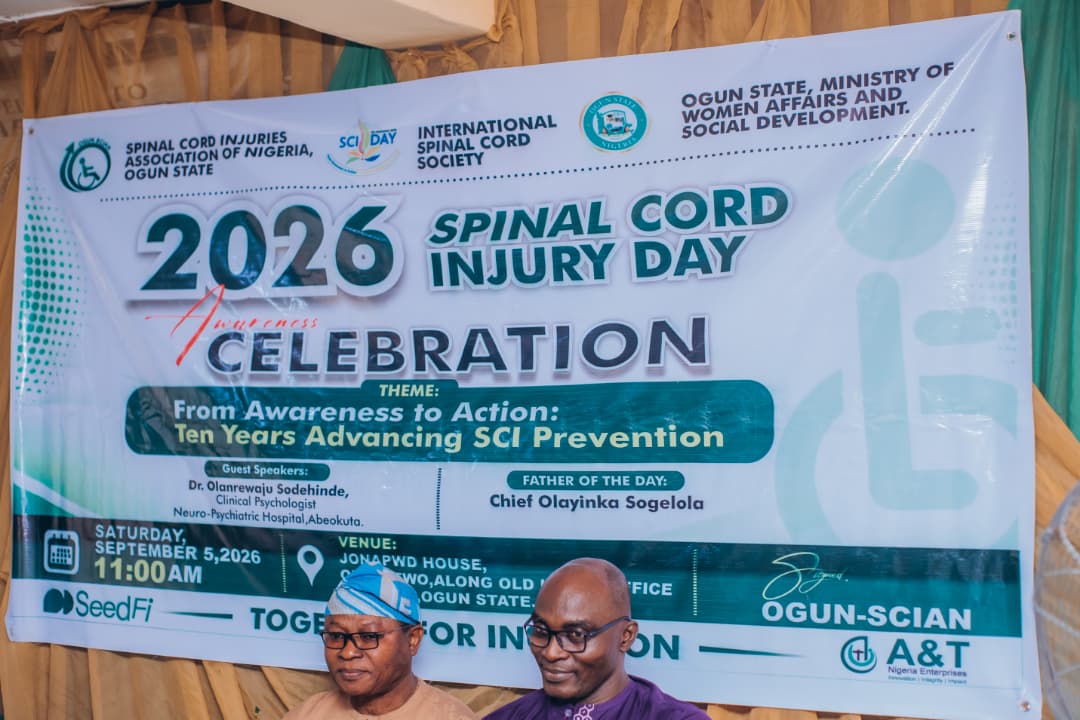
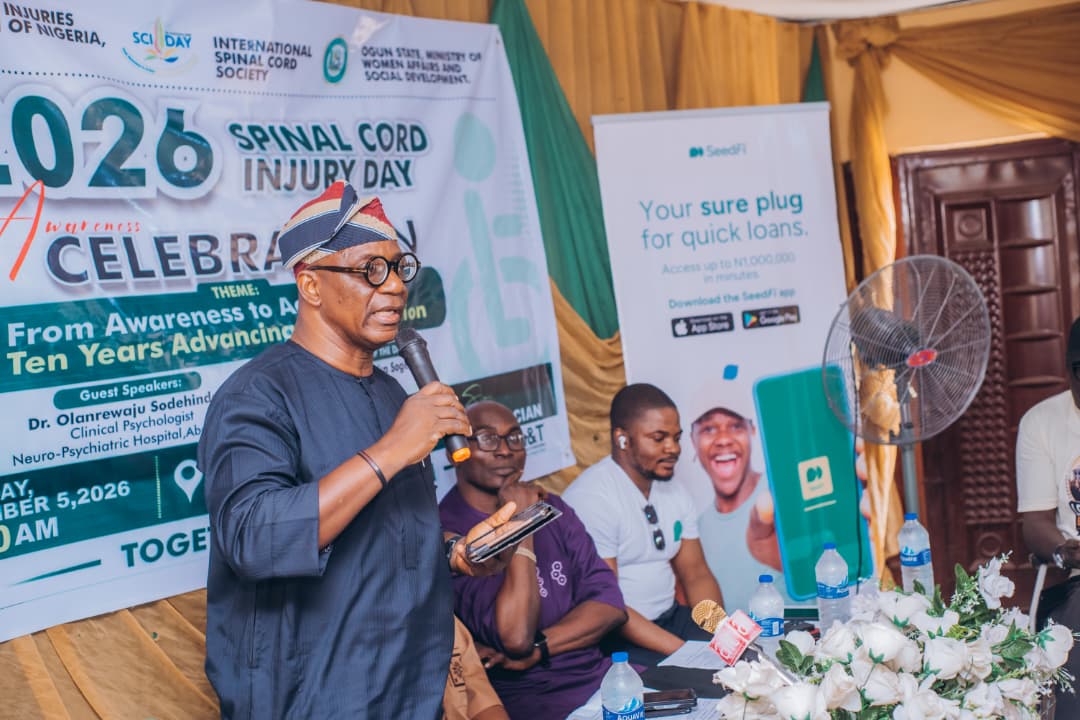
ABEOKUTA, OGUN STATE — September 5, 2026 — Stakeholders in the spinal cord injury and disability community have called for stronger action on injury prevention, rehabilitation, healthcare, accessibility and social inclusion as Nigeria marked the 2026 Spinal Cord Injury International Awareness Day in Abeokuta, Ogun State.
The programme, held at JONAPWD House, Oke-Mosan, brought together persons with disabilities, spinal cord injury survivors, caregivers, healthcare professionals, government representatives, disability advocates, traditional leaders and other stakeholders.
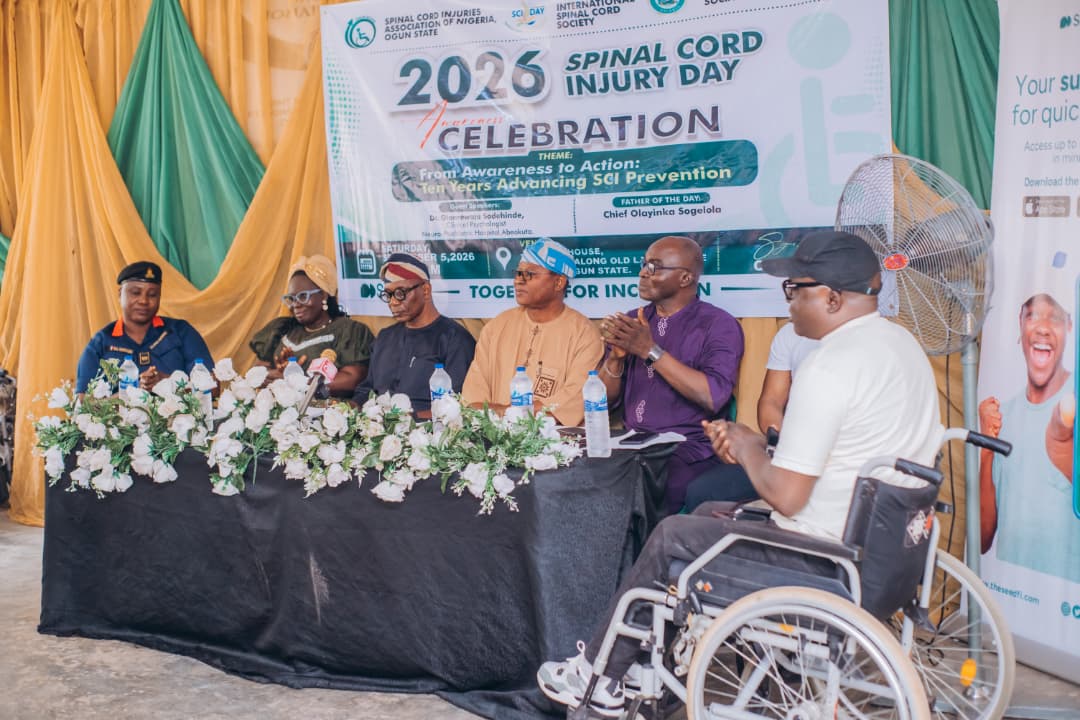
The event, themed “From Awareness to Action: A Decade of Progress and the Journey Ahead,” provided a platform to reflect on progress made in understanding spinal cord injury over the past decade while drawing attention to the urgent need for practical measures to improve the lives of people living with the condition.
Government Urges Inclusion, Not Pity
A representative of the Ogun State Ministry of Women Affairs and Social Development, who brought greetings from the Ministry, encouraged persons with disabilities to continue advocating for their rights and demanding access to services and opportunities.

She stressed that people living with spinal cord injuries should not be treated with pity but should be recognised, respected and fully included in society.
According to her, persons with disabilities must be empowered to participate meaningfully in their communities, while government and other stakeholders continue working to address barriers affecting their wellbeing and participation.
She also urged members of the spinal cord injury community to remain vocal about their needs and rights, assuring them of the government’s commitment to issues affecting persons with disabilities.
NSCDC Calls for Greater Focus on Prevention
The NSCDC Desk Officer for Persons with Disabilities also emphasised the need to move beyond awareness campaigns to concrete action.
The officer noted that increased awareness over the years had helped society better understand the realities of spinal cord injury, but stressed that more must be done to prevent avoidable injuries and support survivors.
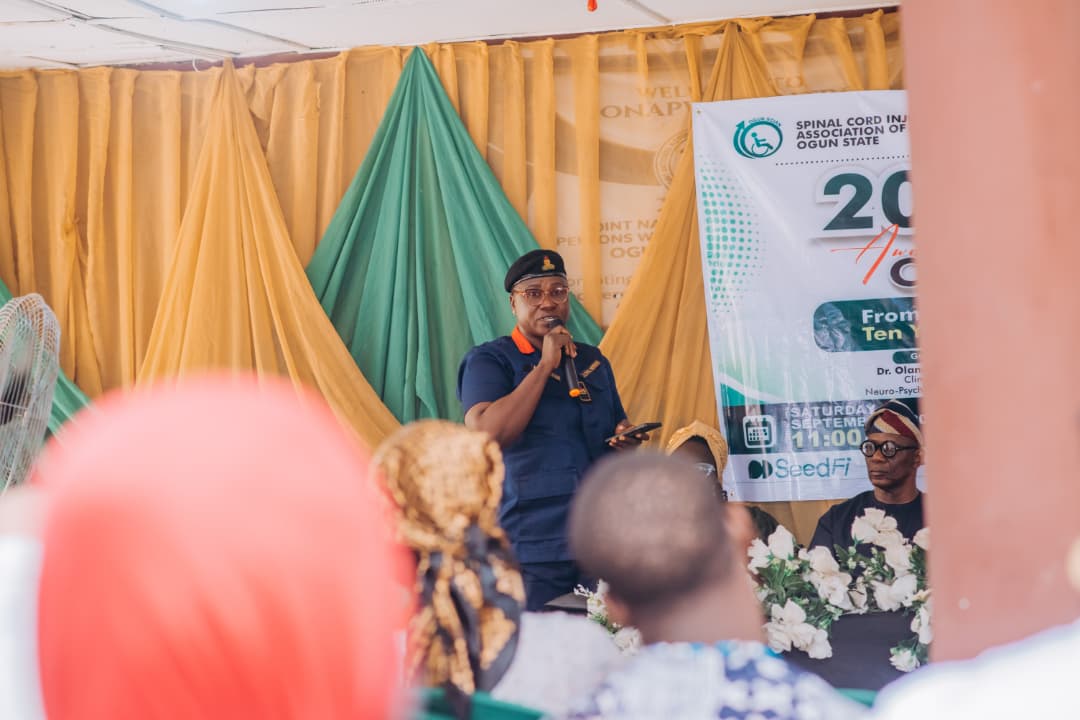
Key areas identified included road safety, accident prevention, appropriate first aid, proper handling of trauma cases, rehabilitation, accessible facilities and social inclusion.
The officer also commended spinal cord injury survivors, caregivers, healthcare workers, disability organisations and advocates for their resilience and continued efforts to promote awareness and inclusion.
Expert Highlights Physical and Psychological Impact
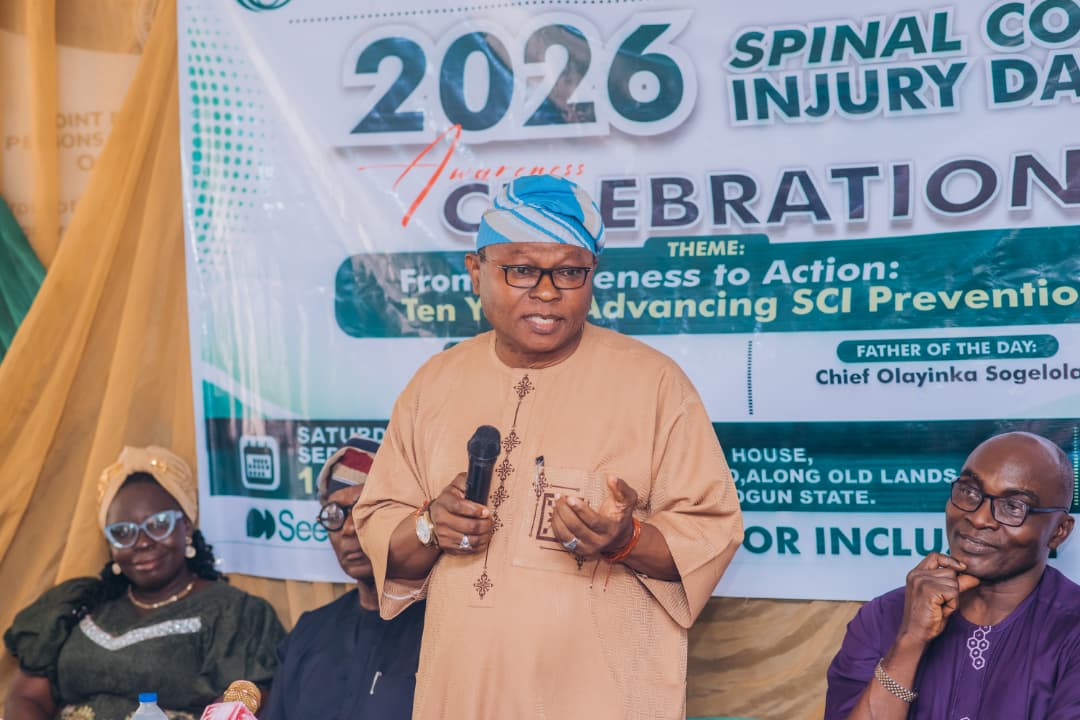
A major presentation at the programme was delivered by Dr. Olanriwadu Shotei Ndeye, who spoke on “Navigating Spinal Cord Injury: Responses, Resilience and Way Forward.”
The presentation examined the causes and effects of spinal cord injury, as well as the physical, psychological and social challenges that survivors may encounter following an injury.
Dr. Ndeye explained that spinal cord injury can result from trauma, disease or degeneration and may lead to temporary or permanent changes in movement, sensation and other bodily functions.
Among the causes highlighted were road traffic crashes, motorcycle and automobile accidents, falls, gunshot injuries and stab wounds.
The presentation also drew attention to the often-overlooked psychological consequences of spinal cord injury.
Survivors may experience anxiety, depression, frustration, rejection, abandonment, loss of confidence, sleep difficulties, hopelessness and uncertainty about their future.
Dr. Ndeye therefore emphasised that effective support must go beyond medical treatment to include psychological care, rehabilitation, family support, social inclusion and opportunities for economic empowerment.
Survivors Tell Their Stories
Personal testimonies from members of the spinal cord injury community brought the discussions closer to the realities experienced by survivors.
Participants shared experiences relating to healthcare access, mobility, employment, financial difficulties, social support and the challenges of adjusting to life following injury.
Despite the difficulties, their stories reflected resilience, courage, determination and hope.
The testimonies reinforced the message that while spinal cord injury can significantly alter a person’s circumstances, it does not have to end their dreams, independence or ability to contribute meaningfully to society.
Stakeholders Demand Stronger Collaboration
Participants at the event called for stronger collaboration among government agencies, disability organisations, healthcare providers, families, caregivers, private organisations and communities.
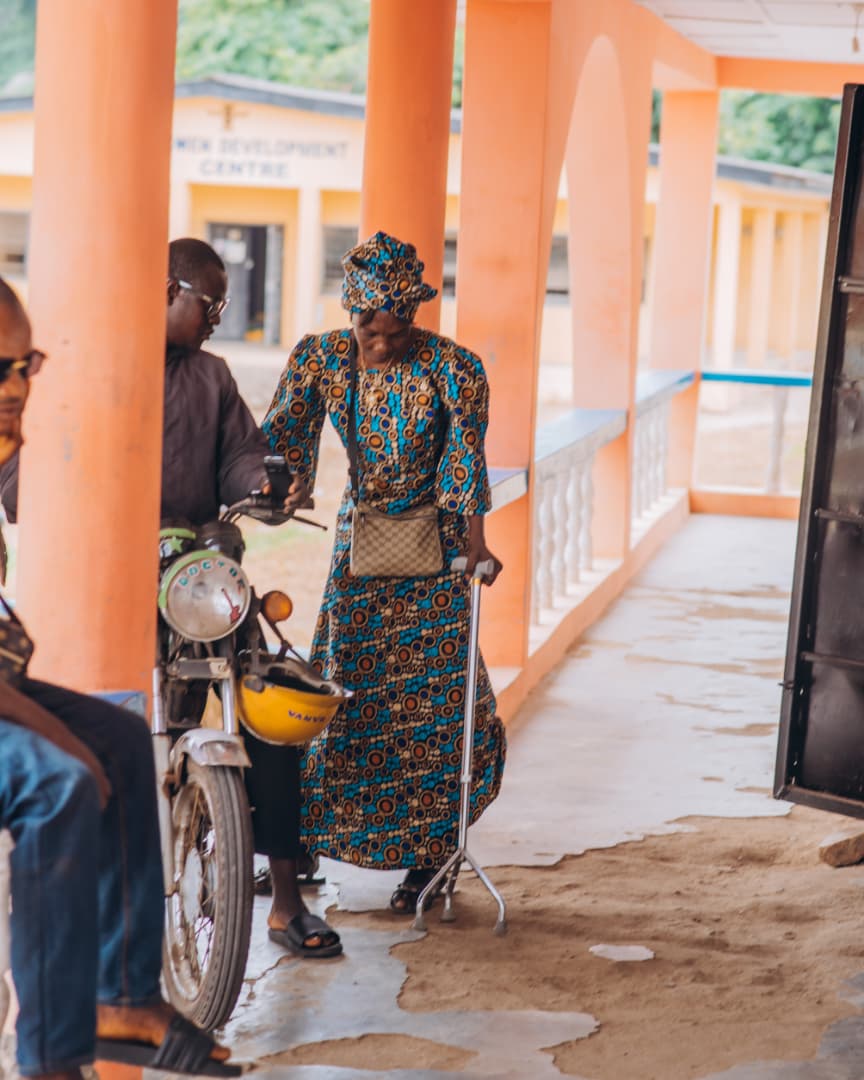
They identified improved rehabilitation services, accessible healthcare, effective emergency response, stronger road safety measures, accessible public infrastructure, economic opportunities and greater social inclusion as key priorities.
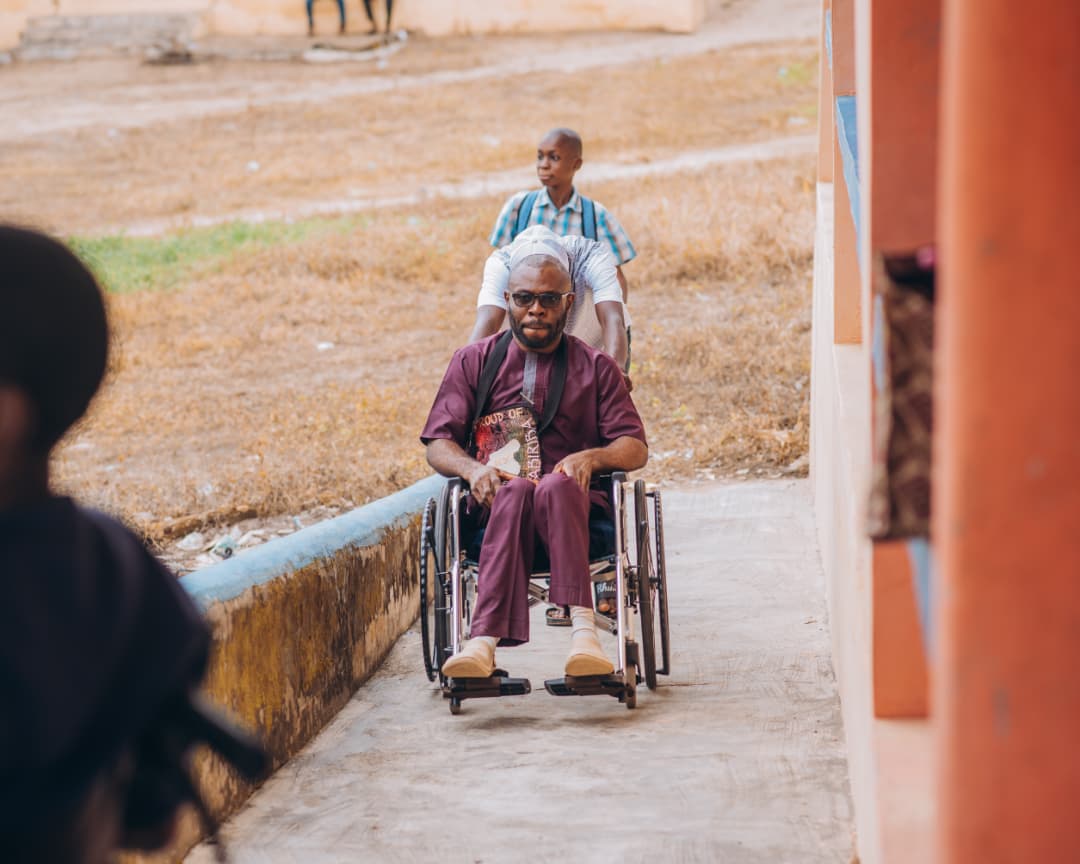
The programme also recognised the role of the Joint National Association of Persons with Disabilities (JONAPWD) in bringing together different disability communities and advancing the rights and welfare of persons with disabilities.
From Awareness to Action
The 2026 Spinal Cord Injury International Awareness Day programme in Abeokuta underscored the need for stakeholders to translate years of awareness into tangible interventions that prevent injuries and improve the quality of life of survivors.
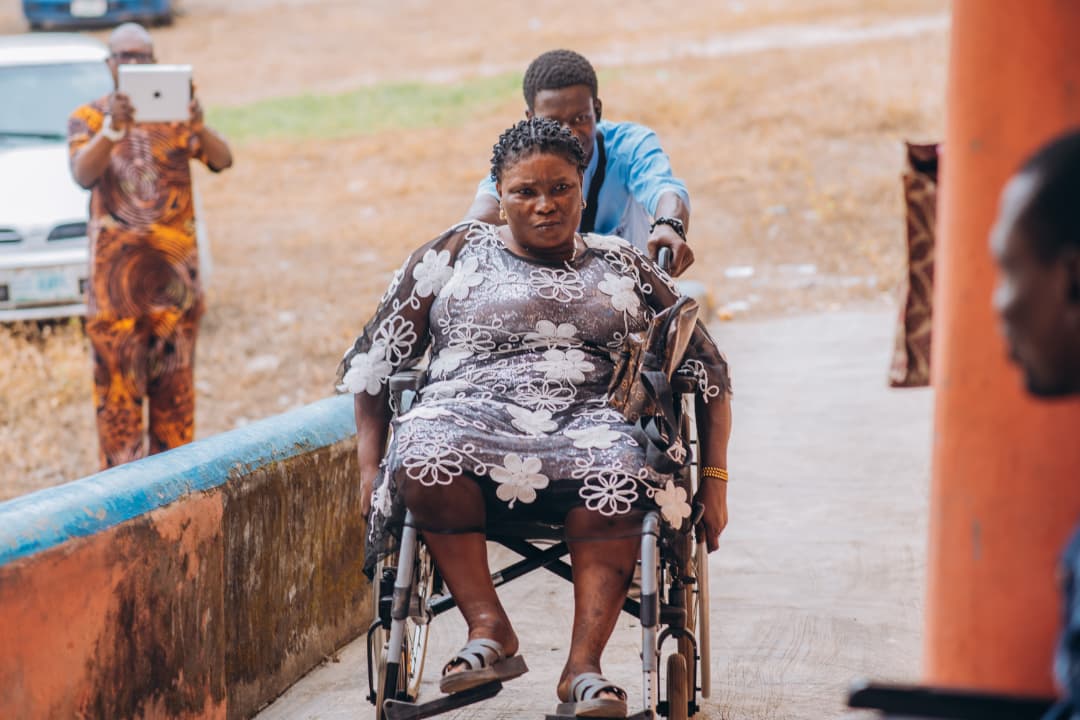
For participants, the message was clear: awareness may start the conversation, but action creates change.
As the spinal cord injury community looks towards the next decade, stakeholders are calling for a society where prevention is prioritised, rehabilitation is accessible, healthcare is inclusive, public spaces are accessible, and people living with spinal cord injuries are supported to live with dignity, independence and equal opportunity.
PWD Spotlight will continue to amplify the voices, experiences and rights of persons with disabilities and promote conversations that move disability inclusion from policy and awareness to meaningful action.
